















































































































































































How Often Should HVAC Maintenance Be Done?

Maintaining a comfortable indoor environment is not just about installing a high-quality system. It is about consistency, care, and smart planning. Many homeowners and business owners underestimate the importance of hvac maintenance, which can lead to higher energy bills, poor air quality, and unexpected system failures. Regular maintenance is the key to ensuring your heating and cooling systems perform efficiently all year round.
In this guide, we will break down how often maintenance should be done, why it matters, and how you can create a schedule that keeps your system running like new.
Why HVAC Maintenance Matters for Long-Term Performance
Your HVAC system works hard throughout the year, whether it is cooling your home in summer or heating it in winter. Without proper attention, dust, debris, and wear can reduce efficiency and increase the risk of breakdowns.
Routine servicing improves energy efficiency, extends equipment lifespan, and ensures healthier indoor air. It also helps identify minor issues before they become costly repairs.
For example, a clogged filter can restrict airflow and force the system to work harder. Over time, this increases energy consumption and reduces system life. Regular checkups prevent such issues and keep everything operating smoothly.
How Often Should You Schedule HVAC Maintenance
The ideal frequency for maintenance depends on system usage, environment, and system type. However, most experts agree on a simple rule.
Standard Maintenance Schedule
Twice a year servicing is recommended for most systems
One visit should be scheduled in the spring for your cooling system, and another in the fall for your heating system. This ensures your unit is ready before peak usage seasons.
For instance, if you live in a region with extreme summers, pre-summer servicing ensures your air conditioner performs efficiently during the hottest months.
Understanding HVAC Maintenance Needs by Usage
Not all systems require the same level of care. The frequency of hvac maintenance can vary depending on how often your system is used.
Residential vs Commercial Systems
Homes typically require biannual servicing, but commercial systems often need quarterly inspections due to heavier usage. Offices, restaurants, and retail stores rely heavily on HVAC systems, making frequent maintenance essential.
Environmental Factors
If your property is located in a dusty area or near construction zones, your system may require more frequent cleaning. Similarly, homes with pets or allergies should prioritize regular filter changes and inspections.
Key Components Checked During HVAC Maintenance
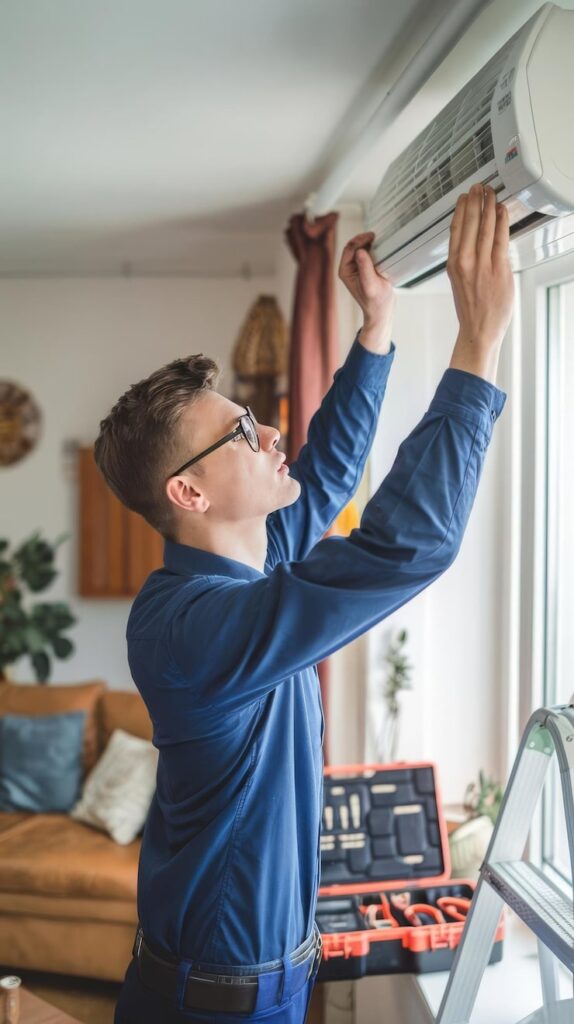
A professional maintenance visit covers several important components that ensure your system works efficiently.
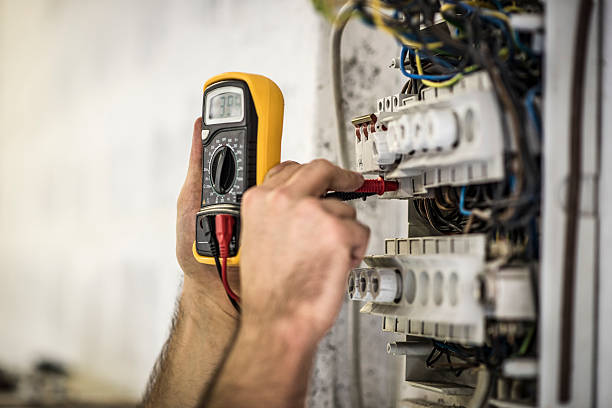
Technicians inspect and clean filters, coils, and ducts. They also check refrigerant levels, thermostat calibration, electrical connections, and airflow performance. These steps help maintain optimal efficiency and prevent unexpected failures.
For example, a technician may detect a refrigerant leak early, saving you from expensive repairs and performance issues later.
Pro Tip for Better HVAC Efficiency
Always replace or clean your air filters every one to three months. This simple step can significantly improve airflow and reduce strain on your system. Clean filters also contribute to better indoor air quality, which is especially important for families with respiratory concerns.
Signs Your HVAC System Needs Immediate Attention
Even with regular scheduling, there are warning signs that indicate your system needs urgent maintenance.
If you notice unusual noises, inconsistent temperatures, weak airflow, or a sudden increase in energy bills, it is time to call a professional. Ignoring these signs can lead to system failure and costly repairs.
For instance, a rattling sound could indicate loose components, while uneven cooling might signal duct issues or thermostat problems.
Creating a Maintenance Plan That Works
Consistency is the secret to effective HVAC care. Setting reminders or signing up for an annual maintenance plan can help you stay on track.
Many service providers offer maintenance contracts that include scheduled inspections, priority service, and discounted repairs. These plans are especially useful for busy homeowners or businesses that cannot afford unexpected downtime.
Conclusion
Regular HVAC care is not an option, it is a necessity. Scheduling maintenance at least twice a year ensures your system remains efficient, reliable, and long-lasting. Whether you are a homeowner or managing a commercial property, investing in routine servicing will save money, improve comfort, and prevent unnecessary stress.
By understanding your system’s needs and following a consistent schedule, you can enjoy uninterrupted performance throughout the year. Make maintenance a priority today and your HVAC system will reward you with years of dependable service.