








































































































































Why Are Hospitality Uniforms Important In The Service Industry?

In the service industry, first impressions carry tremendous weight. Whether a guest walks into a luxury hotel, a restaurant, or a resort, the experience often begins the moment they see the staff. Appearance, professionalism, and consistency all contribute to how customers perceive a business. This is where hospitality uniforms play a crucial role.
Uniforms are more than simple work attire. They represent the identity of a brand, communicate professionalism, and help staff perform their roles confidently. When employees wear coordinated uniforms, it creates a sense of organization and reliability that customers naturally trust. From hotel receptionists to restaurant servers and housekeeping staff, uniforms influence both employee performance and guest satisfaction.
In a highly competitive service environment, even small details can shape customer experience. Well designed uniforms ensure employees look approachable, professional, and ready to assist.
The Role Of Hospitality Uniforms In Building Brand Identity
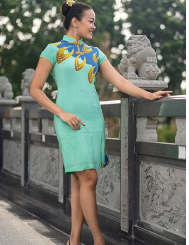
Brand identity is one of the most valuable assets in the hospitality sector. A carefully designed uniform reflects the values, style, and atmosphere of a business. For example, a luxury hotel may use elegant suits or tailored dresses to convey sophistication, while a beach resort might choose lighter fabrics and relaxed styles to reflect a casual environment.
When employees wear consistent hospitality uniforms, it strengthens brand recognition. Guests quickly associate the uniform style with the business, which builds familiarity and trust.
For instance, a well known international hotel chain often uses specific colors and badge styles so guests can easily identify staff members. Over time, these visual cues become part of the brand image.
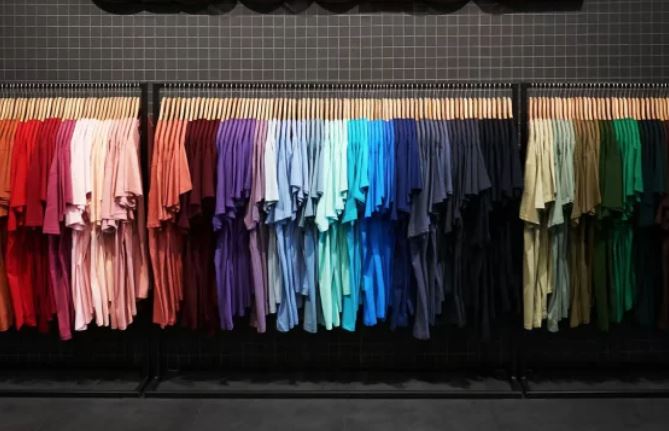
Pro Tip: Choose uniform colors that match your brand palette. Consistency between interior design, branding, and staff attire enhances the overall guest experience.
Hospitality Uniforms Improve Professionalism And Customer Trust
Professional appearance significantly influences how customers judge a service provider. Guests are more comfortable approaching staff who appear organized and presentable. Uniforms signal that employees are trained, accountable, and part of a structured team.
When staff wear proper attire, it also increases their confidence. Employees tend to act more responsibly when they feel they represent a professional brand.
Consider these common advantages of staff uniforms:
- Customers can quickly identify employees when they need assistance.
For example, in a busy hotel lobby, guests often look for someone in uniform to ask for directions, check in information, or help with luggage. Without a recognizable uniform, this process becomes confusing and inefficient.
Uniforms therefore function as a practical tool for improving service speed and communication.
How Hospitality Uniforms Enhance Team Unity
Team cohesion is another important benefit of structured staff attire. When everyone wears the same uniform, it removes visual hierarchy and creates a sense of belonging among employees.
This shared identity can boost morale and teamwork. Employees often feel they are part of a unified group working toward the same goal, which is delivering excellent service.
For example, restaurant staff wearing coordinated uniforms are more likely to communicate smoothly during busy hours. The uniform becomes a symbol of teamwork and shared responsibility.
Managers also find it easier to maintain discipline and professionalism when clear dress standards exist.
Practical Benefits Of Hospitality Uniforms
Beyond branding and appearance, uniforms provide practical advantages that help employees perform their duties effectively.
Comfortable fabrics, functional designs, and role specific features improve productivity. For instance, housekeeping staff may need uniforms with durable material and flexible movement, while chefs require heat resistant clothing.
Examples of practical features include:
- Aprons with pockets for servers to carry notepads or order devices.
When uniforms are designed with functionality in mind, staff can complete tasks more efficiently while maintaining a professional appearance throughout their shift.
Conclusion
In the service industry, details matter. From customer greetings to staff presentation, every element shapes the overall experience. Hospitality uniforms play a vital role in creating a professional environment where guests feel welcomed and confident in the service they receive.
Uniforms strengthen brand identity, improve customer trust, support teamwork, and enhance operational efficiency. When thoughtfully designed, they become an essential part of the hospitality experience rather than just a dress requirement.
Businesses that invest in quality uniforms often notice improvements in staff confidence and guest satisfaction. In a competitive industry where impressions influence loyalty, the right uniform strategy can make a meaningful difference.