
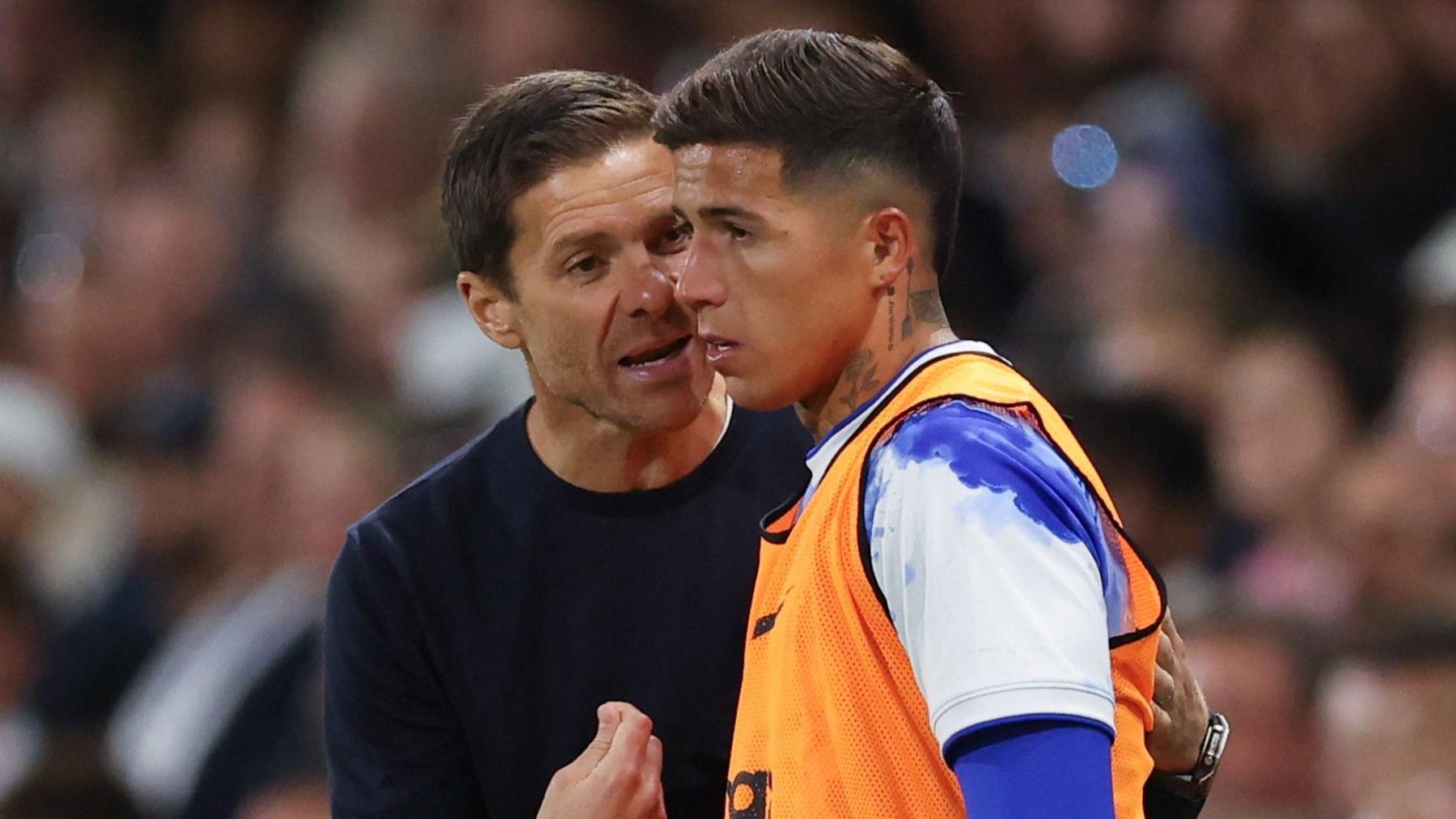
Every summer, and plenty of winters too, the same story plays out in English football. A big club spots a young player who looks ready, picks up the phone, and waits to see whether the owners blink. This time, according to talkSPORT, Chelsea did not blink. The Blues reportedly turned away enquiries from Manchester United and other clubs for defender Josh Acheampong, and they are now said to be preparing a new contract. For anyone following Chelsea transfer news, it is a small headline with a surprisingly large message. A club known for churning through signings is choosing, for once, to hold on tight. Here is why that choice deserves attention.
What Reportedly Happened With Acheampong
The facts, as reported, are simple. Manchester United and a few other clubs asked about Acheampong, a young defender who came through Chelsea’s academy and has been pushing his way into the senior picture. Chelsea said no. Rather than leaving the door ajar, the club is now reportedly moving to tie him down with improved terms.
It helps to remember that enquiries are not bids. An enquiry is a club testing the water, asking what the price might be and whether anyone is listening. Plenty of them end with a polite refusal and nobody thinks twice. What makes this one interesting is the follow-up. Turning down a call is easy. Reaching for the pen to reward the player is a statement of intent.
And the timing matters. Young players with a few good appearances behind them quickly become the most coveted names in the market, because they combine potential with a modest price tag. A club that ignores that reality risks watching a homegrown talent walk out the door on a free transfer, or leave for a fee that never reflects his true worth.
Smart Ways Clubs Protect Their Young Talent
Chelsea’s reported approach lines up with a playbook that well-run clubs tend to follow. It is not complicated, but it takes discipline.
First, act before the player’s agent has to ask. A new contract offered early feels like trust. One offered late, after rival interest becomes public, feels like a reaction. The first builds loyalty, the second builds a negotiation.
Second, pair the money with a clear pathway. Teenagers and early twenty-somethings rarely care only about salary. They want to know where the minutes will come from. A manager who can point to a real route into the matchday squad is worth more than a slightly bigger wage on paper.
Third, protect the asset with length. Longer deals give a club leverage, and under modern financial rules, profit from selling an academy graduate is treated generously on the books. That is a quiet reason clubs like Chelsea value their own products so highly, whether they end up playing or being sold.
Fourth, keep communication honest. Players talk to each other, and so do their families. A club that is straight about its plans gets the benefit of the doubt when things get tricky.
Lessons From Chelsea’s Recent Academy Stories
Chelsea have not always handled this well, and fans know it. Mason Mount’s move to Manchester United in 2023 and Conor Gallagher’s exit to Atletico Madrid left supporters wondering whether the club valued its own graduates enough. Both players were popular, both were products of the system, and both left while the debate about what Chelsea gave up was still loud.
So there is a story arc here. A club that once let familiar faces leave is now reportedly saying no to a United approach for another young name. You can call it a lesson learned, or you can call it a sensible reaction to a market that keeps pushing prices upward. Either way, it shows a club thinking about squad identity, not just spreadsheet value.
There is also a practical point for managers. A defender who has grown up inside the club already understands the pressing demands, the tactical quirks, and the dressing room. That kind of knowledge is hard to buy, and harder to rush.
What Chelsea Transfer News Like This Signals for the Future
If this reported plan goes through, it hints at where the club is heading. Expect more emphasis on a core of young, contracted players who can grow together, mixed with selective additions where the squad needs experience. Expect longer contract talks to arrive earlier, too.
For rivals, the message is equally clear. Chelsea are not an easy club to raid. Clubs hoping for a cheap route to a promising youngster will need to bring a serious offer, and even then they may hear no.
For supporters, the appeal is emotional as well as sporting. Watching an academy player settle into the first team is one of the few joys in modern football that money cannot manufacture. Clubs that understand this tend to build a stronger bond with the stands.
There is a note of caution, of course. Young defenders can plateau, and a new contract is only as good as the performances behind it. Chelsea will need to give Acheampong real chances and let him make mistakes without panic.
Conclusion
The reported refusal of Manchester United’s interest says a lot about how Chelsea now see their young players. They are assets, yes, but they are also a foundation. By saying no and moving toward a new deal, the club is betting that patience will pay off. For readers who want to keep up with Chelsea transfer news, this is a storyline worth following, because it could shape how the club operates for years. Good Chelsea transfer news is not always about big signings. Sometimes it is about the player who stays.
FAQ
Who is Josh Acheampong? He is a young defender who rose through Chelsea’s academy and has been working his way into the senior squad.
Did Manchester United make a formal bid? According to talkSPORT, United and other clubs made enquiries. Reports do not describe a formal bid, and enquiries are usually early conversations about availability and price.
Why would Chelsea offer a new contract now? Offering improved terms early helps a club reward progress, reduce the risk of losing a player on a free transfer, and strengthen its bargaining position if bigger offers arrive later.
Does this mean Chelsea will stop selling academy players? Not necessarily. Clubs still sell graduates when the price and circumstances are right. This case simply shows Chelsea choosing to keep one they value.