Of all the components that make up a residential garage door system, springs are arguably the most critical and the most misunderstood. They bear the mechanical load of a door that can weigh hundreds of pounds, performing that work reliably through thousands of open and close cycles every year. When they fail, everything about how your garage door operates changes immediately. Understanding garage door spring replacement gives you the knowledge to respond quickly and correctly when that moment arrives.
What Garage Door Springs Actually Do
Springs store and release mechanical energy with every cycle of your garage door. When the door closes, the springs wind up and store tension. When you open the door, that tension is released to assist the opener or your manual effort in lifting the door’s weight. Without properly functioning springs, your door is effectively deadweight.
Torsion springs are mounted horizontally above the door opening and are the most common type found in residential garages in the St. Louis area. Extension springs run along the horizontal tracks on either side of the door and are more common in older installations. Both types perform the same fundamental function but differ in how they are mounted and how their tension is managed.
Recognizing a Broken Spring Immediately
A broken garage door spring is usually not subtle. The most common sign is a loud bang from inside the garage, similar to the sound of a firecracker or a gunshot. That sound is the spring releasing its stored tension when it snaps. After that moment, the door will feel extremely heavy to operate manually and the opener motor will strain noticeably or refuse to function altogether.
Visually, a broken torsion spring shows a gap in the coil where the break occurred. A broken extension spring may hang loosely from its mounting hardware. Either way, a visual inspection of the spring system after hearing that bang will usually confirm the diagnosis immediately. At that point, garage door spring replacement should be treated as an urgent service need rather than something to put off.
Why Springs Should Be Replaced in Pairs
If your garage door uses two springs and one breaks, the other is likely not far behind. Both springs were installed at the same time, have experienced the same number of cycles, and are under the same mechanical stress. Replacing only the broken one while leaving the aging partner in place typically results in a second service call within a few months when the second spring fails.
Professional technicians consistently recommend replacing both springs at the same time regardless of which one broke first. The incremental cost of replacing the second spring during the same visit is far less than the cost of a separate service call later. It also means your door system is running on matched, fresh springs that will perform consistently together.
The Role of the Opener During a Spring Failure
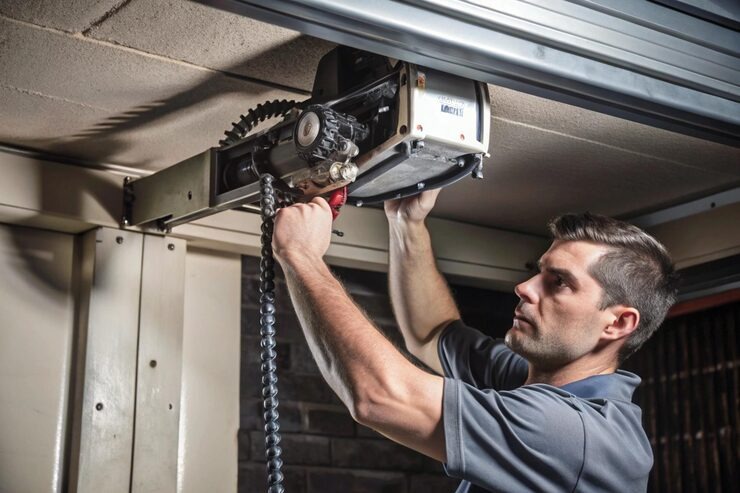
This is an important connection that many homeowners do not fully understand until something goes wrong. Your garage door opener is not designed to lift the full weight of the door. It is designed to operate a door that is counterbalanced by properly tensioned springs. When a spring breaks, the opener suddenly has to manage the full mechanical load, which it is not built to handle.
If your opener continues to try to operate after a spring failure, you risk damaging the motor, the drive mechanism, and potentially the door itself. This is why it is important to stop using the opener immediately if you suspect a spring has broken. Professional garage door opener repair may be needed if the opener was run for an extended period after the spring failure before the problem was identified.
Spring Replacement Is Not a Safe DIY Project
This point deserves emphasis. Garage door springs hold an enormous amount of stored mechanical energy. The tension in a torsion spring can cause serious injury if the spring is handled incorrectly during removal, installation, or adjustment. The tools required to safely wind and unwind torsion springs are specialized and not commonly available in a standard homeowner toolkit.
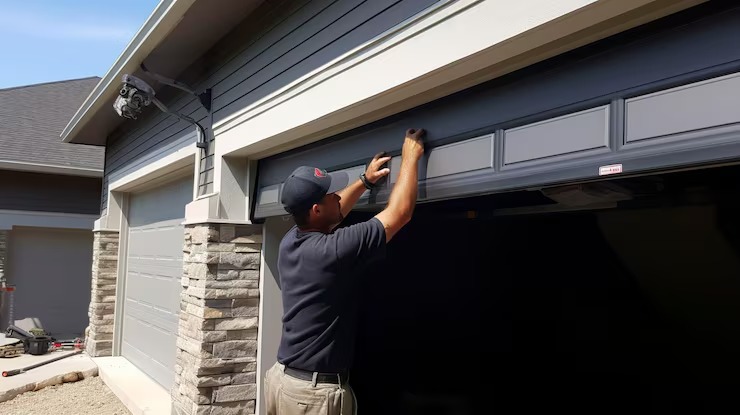
STL Garage Service technicians are trained specifically in spring replacement procedures and use proper winding bars, safety cables, and step-by-step protocols that keep the work contained and controlled. For homeowners throughout Florissant, Saint Charles, East St. Louis, and the broader St. Louis metropolitan area, calling a professional is not just the convenient choice, it is the safe one. No repair is worth the risk of serious injury.
Choosing the Right Spring for Your Door
Springs are not one-size-fits-all components. They are rated for specific door weights and sizes, and using a spring with the wrong specifications for your door can result in poor performance, premature failure, or additional strain on the opener. A technician will measure your door, assess the existing hardware, and select replacement springs that are properly rated for your specific application.
Upgrading to springs with higher cycle ratings is also an option worth discussing with your technician. Standard springs are typically rated for 10,000 cycles. High-cycle springs rated for 20,000 or more cycles cost somewhat more but can significantly extend the time between replacements, particularly for doors that see heavy daily use. STL Garage Service can help you evaluate whether a high-cycle upgrade makes sense for your situation.
What the Replacement Process Involves
When a technician arrives for a spring replacement, they begin by releasing any residual tension from the broken spring safely before removing it. The new spring or springs are then installed on the mounting hardware, wound to the correct tension for the door’s weight and balance requirements, and tested through several open and close cycles.
The technician will also check the balance of the door to confirm the new springs are wound correctly and inspect cables, rollers, and other hardware for wear while the system is apart. STL Garage Service has been serving St. Louis County and the surrounding metro area for more than 10 years, and their technicians treat every spring replacement as an opportunity to give the entire system a thorough evaluation.
Conclusion
Garage door spring replacement is one of the most important and time-sensitive repairs a homeowner will face. Broken springs affect everything from the safety of manual operation to the health of your opener motor. Acting quickly, choosing professional service, and replacing both springs at the same time are the keys to getting the job done right. STL Garage Service brings more than a decade of experience to every spring replacement throughout the St. Louis metropolitan area. When a spring goes, their team is ready to respond fast and restore your door to full, safe operation.
FAQ
Q1. How do I know if my garage door has torsion springs or extension springs?
Torsion springs are mounted horizontally on a metal shaft above the center of the door opening. Extension springs run along the horizontal tracks on either side of the door. Both are visible from inside the garage when the door is closed.
Q2. How long does a garage door spring replacement take?
Most spring replacements are completed within one to two hours. If additional components like cables or rollers also need attention, the job may take slightly longer. STL Garage Service aims to complete most standard replacements in a single efficient visit.
Q3. Can I open my garage door manually if both springs are broken?
Technically yes, but the door will be extremely heavy, potentially over 100 pounds depending on the door size and material. It is not advisable to lift the door manually with broken springs, as there is a risk of losing control of the door. It is safer to leave the door in place and call for professional service promptly.