

The beverage industry continues to evolve as consumers look for drinks that offer exciting flavors, healthier ingredients, and unique brand experiences. From refreshing fruit beverages to functional drinks with added benefits, modern consumers expect more from the beverages they purchase. Creating a drink that meets these expectations requires a thoughtful process that combines creativity with technical expertise. This is where Beverage Recipe Development becomes essential.
Beverage recipe development is the process of designing, testing, and refining drink formulas to create beverages that deliver consistent flavor, quality, and performance. It involves selecting the right ingredients, balancing flavors, and ensuring the beverage remains stable during storage and distribution. Companies like Gulp Studios specialize in supporting brands through every stage of beverage development, from initial concept and formulation to branding and production. Their expertise helps businesses transform creative drink ideas into successful products that can reach store shelves with confidence.
Understanding the Beverage Creation Process
Every successful beverage begins with a clear concept. This concept may come from a desire to create a healthier drink, introduce a new flavor combination, or develop a beverage that fits a specific lifestyle trend. Once the concept is defined, the next step is to determine how the drink will be formulated.
During this stage, developers evaluate potential ingredients and explore how different components interact with one another. Factors such as sweetness, acidity, aroma, and texture must all work together to create a balanced and enjoyable beverage. The development process also involves testing how the drink behaves during storage and transportation to ensure it maintains its quality over time.
Understanding the target audience is also important during this stage. A beverage designed for athletes might include electrolytes or energy-supporting ingredients, while a premium craft beverage might focus on unique flavor combinations and high-quality ingredients.
The Role of Flavor Balance in Beverage Development
Flavor balance is one of the most important elements in beverage development. Even small changes in ingredient ratios can significantly affect the overall taste of a drink. Developers must carefully adjust sweetness, acidity, bitterness, and aroma to create a beverage that feels refreshing and enjoyable.
For example, fruit-based beverages often require careful balancing between natural sweetness and acidity. If a drink is too sweet, it may feel heavy or artificial. If it is too acidic, it may taste overly sharp. Achieving the right balance ensures that the beverage delivers a pleasant drinking experience.
Developers also consider mouthfeel, which refers to the way a beverage feels in the mouth. Carbonation levels, viscosity, and ingredient composition all contribute to this sensory experience.
The Importance of Professional Beverage Formulation
Professional beverage formulation helps ensure that drinks are developed correctly and meet industry standards. Beverage development experts bring technical knowledge and experience that allows them to create stable formulations that perform well in production environments.
These professionals assist with ingredient selection, flavor formulation, and product testing. They also ensure that beverages comply with food safety regulations and labeling requirements. Working with experienced developers can save brands significant time and resources by avoiding formulation errors and production challenges.
Professional development teams also stay informed about market trends, allowing brands to create beverages that align with consumer preferences and emerging industry opportunities.
Transforming Ideas Through Recipe Testing
Once a beverage concept is established, developers begin experimenting with different formulations to identify the most successful version of the drink. During this stage, teams focus on Drink recipe development to test ingredient combinations and refine the beverage’s flavor profile.
Developers typically create several test versions of the beverage, adjusting sweetness levels, acidity, and flavor intensity. These prototypes allow teams to evaluate which version delivers the best overall experience. Testing may also include sensory evaluations, where feedback from testers helps identify improvements.
Recipe testing also helps determine how the beverage behaves under real-world conditions. Developers evaluate shelf life, ingredient stability, and compatibility with packaging materials to ensure the product maintains quality throughout its lifecycle.
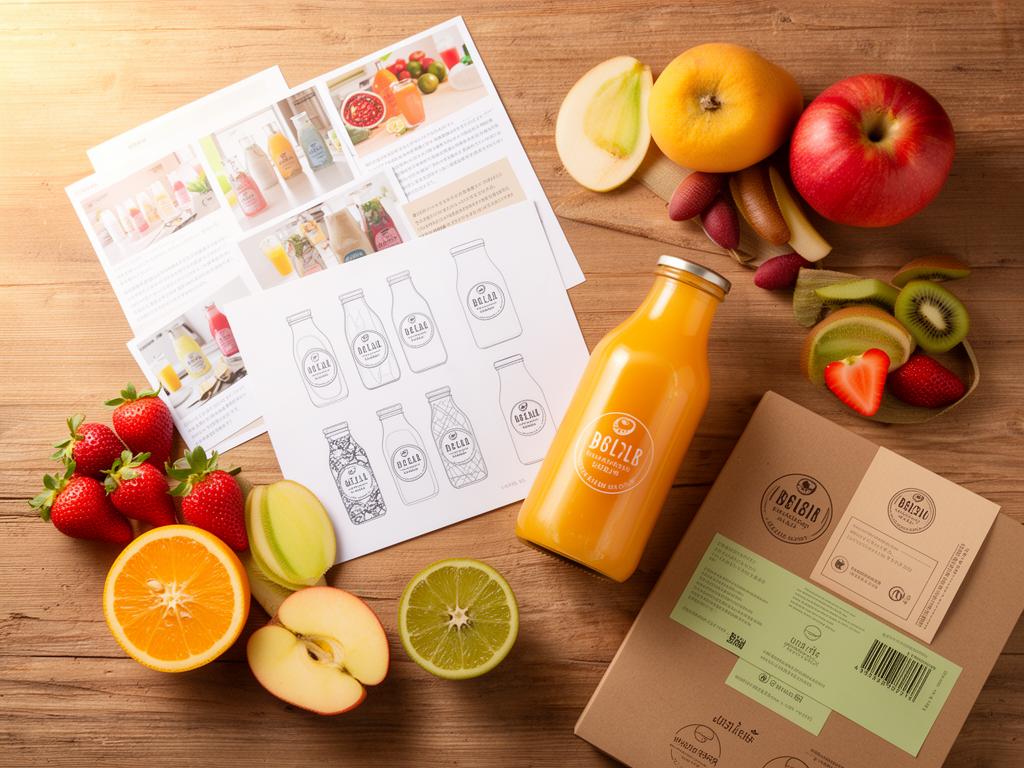
Preparing Recipes for Commercial Production
After the final beverage formula is selected, the next step is preparing the recipe for large-scale production. This stage requires careful planning because ingredients and processes must be adjusted to maintain consistency when manufacturing larger quantities.
Production preparation includes verifying ingredient availability, selecting suitable packaging formats, and establishing quality control procedures. Manufacturers must ensure that the beverage can be produced efficiently while maintaining the same taste and stability achieved during the development phase.
This stage often involves additional testing to confirm that the beverage performs well during production and distribution. Once the formula proves reliable in larger batches, the product can move forward toward market launch.
Branding and Market Positioning for Beverage Products
While a well-developed recipe is essential, successful beverages also require strong branding and market positioning. Consumers often choose drinks based on packaging design, brand story, and perceived value.
Effective beverage branding communicates the product’s purpose and highlights what makes it unique. Packaging design should attract attention on store shelves while clearly conveying the beverage’s benefits and personality.
When branding aligns with product quality, the beverage becomes more appealing to consumers. This combination of strong formulation and compelling brand identity increases the likelihood of long-term market success.
Conclusion
The process of creating a successful beverage requires creativity, scientific expertise, and careful planning. Beverage recipe development plays a central role in transforming drink ideas into products that deliver consistent flavor, quality, and performance.
Through experimentation, testing, and refinement, developers can create beverages that meet consumer expectations while maintaining production stability. With the support of experienced beverage development partners such as Gulp Studios, brands can confidently move from concept to commercial production.
By focusing on thoughtful formulation, effective branding, and strategic development, beverage companies can introduce drinks that stand out in competitive markets and build lasting relationships with consumers.
FAQ
What is beverage recipe development?
Beverage recipe development is the process of designing and refining drink formulas to achieve the desired flavor, texture, stability, and overall product quality before production.
Why is recipe testing important for beverages?
Recipe testing helps developers evaluate different ingredient combinations and determine which formula delivers the best taste and performance under real-world conditions.
How do beverage development companies support drink brands?
Beverage development companies assist with formulation, ingredient sourcing, testing, branding, and production planning, helping brands turn creative beverage ideas into successful commercial products.